
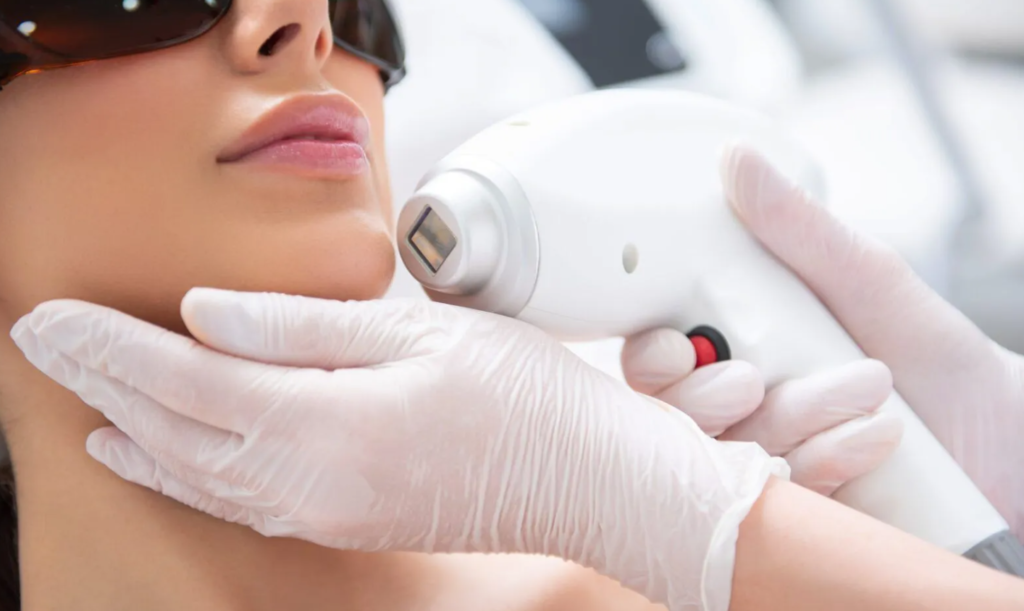
Healthy-looking skin is an important part of any self-care routine, but daily skincare does not always address every concern. Uneven texture, pigmentation, visible signs of aging, and other changes can lead people to explore professional aesthetic options. Laser treatment is one of the technologies used in modern skincare to target specific concerns and support skin renewal. Coolaser Clinic offers professional aesthetic treatments for people looking to improve the appearance and quality of their skin through personalized care.
What Is Laser Treatment?
Laser treatment uses concentrated light energy to interact with specific structures in the skin. Depending on the type of laser and the treatment settings, the energy can target pigmentation, blood vessels, water in the skin, or other specific structures.
Different laser technologies work in different ways. Some treatments are designed to resurface the skin, while others focus on pigmentation, redness, hair removal, or other concerns.
This means that laser treatment is not a single procedure. The appropriate technology depends on the condition being addressed, the patient’s skin characteristics, and the desired outcome.
What Skin Concerns Can It Address?
One reason laser procedures have become part of modern aesthetic care is their versatility.
Depending on the technology used, laser procedures may be considered for concerns such as:
- Uneven skin tone
- Sun-related pigmentation
- Certain types of redness
- Fine lines
- Uneven skin texture
- Acne-related marks and scars
- Signs of photoaging
- Unwanted hair
Not every laser is suitable for every concern. A professional assessment is important before selecting a treatment.
How Does Laser Resurfacing Work?
Some laser procedures focus on resurfacing the skin. These treatments create controlled effects in the targeted layers of the skin, encouraging the body to begin a natural healing and renewal process.
As the skin recovers, new tissue can gradually develop, potentially improving the appearance of texture and certain signs of aging.
The intensity of resurfacing can vary. Some treatments involve minimal downtime, while more intensive procedures may require a longer recovery period.
The appropriate approach depends on the patient’s skin and the specific goal of treatment.
Why Professional Assessment Matters
Laser technology requires careful selection and appropriate settings. Factors such as skin type, pigmentation, sensitivity, previous treatments, and the condition being treated can influence which procedure is appropriate.
During a consultation, a qualified professional can examine the skin and discuss realistic treatment goals.
This assessment may also identify situations where a laser procedure is not the most appropriate option. In some cases, another aesthetic treatment or a combination of approaches may be more suitable.
What Happens During a Laser Procedure?
The experience depends on the specific type of laser treatment.
Before the procedure, the skin is typically prepared according to the treatment protocol. Some procedures may involve a topical anesthetic or another method designed to improve comfort.
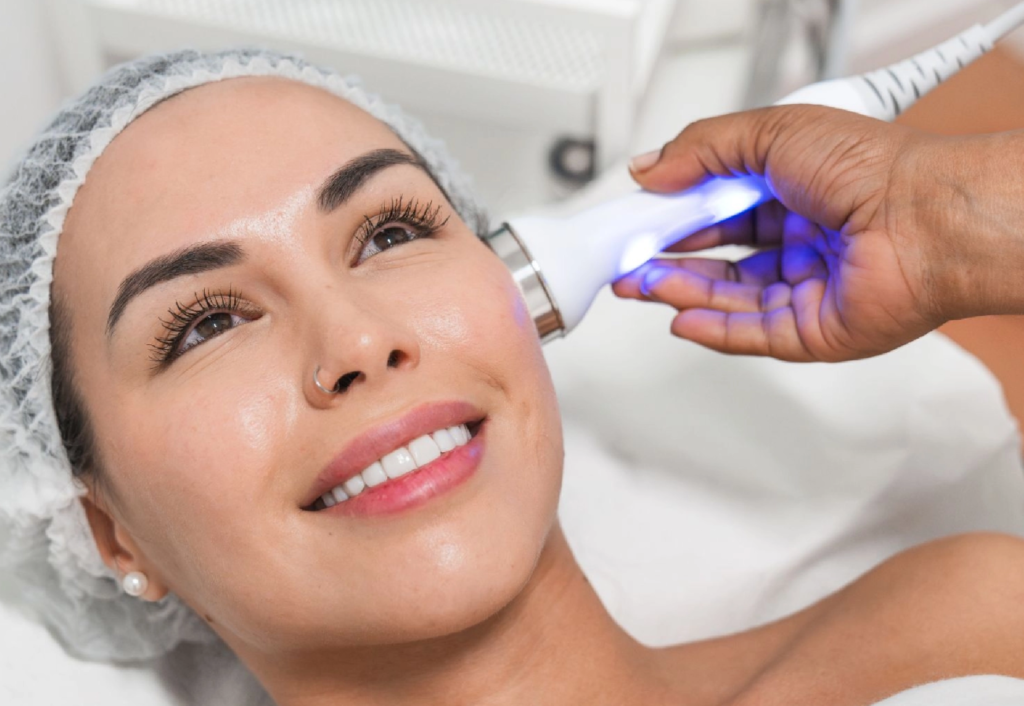
During treatment, the laser device delivers controlled energy to the targeted area. Patients may experience sensations such as warmth, tingling, or brief discomfort depending on the technology and treatment intensity.
The procedure itself may take a relatively short amount of time, although preparation and aftercare can add to the overall appointment.
What Is Recovery Like?
Recovery varies considerably between laser procedures.
After a mild treatment, the skin may appear slightly red or feel warm for a short period. More intensive resurfacing procedures can cause greater redness, swelling, peeling, or sensitivity while the skin heals.
Following aftercare instructions is especially important during this stage.
Patients may be advised to:
- Protect the skin from direct sunlight
- Use recommended skincare products
- Avoid unnecessary irritation
- Keep the treated area clean
- Avoid picking or peeling the skin
- Follow the recommended recovery schedule
The exact instructions depend on the procedure and should come from the treating professional.
Why Sun Protection Matters
Sun protection is an important part of skincare whether or not someone has undergone an aesthetic procedure. It becomes especially relevant after certain laser treatments because the skin can be more sensitive during recovery.
Excessive ultraviolet exposure can contribute to pigmentation and premature skin aging. It may also interfere with the recovery process after some procedures.
Using appropriate sun protection and following professional recommendations can therefore be an important part of maintaining healthy-looking skin.
How Many Treatments Might Be Needed?
The number of sessions varies depending on the treatment, the condition being addressed, and the individual’s response.
Some concerns may show visible improvement after a single procedure, while others require a series of treatments spaced over time.
A professional can explain the expected treatment schedule during consultation. It is important not to assume that more frequent treatments will necessarily produce better results, as the skin needs appropriate time to recover.
Is Laser Treatment Suitable for Everyone?
Laser procedures are not automatically appropriate for every person or every skin concern.
Certain medications, active skin conditions, recent tanning, sensitivity, or other factors may affect treatment suitability. A professional assessment can help identify potential concerns before treatment begins.
Patients should provide accurate information about their medical history, medications, previous cosmetic procedures, and current skincare routine.
This information allows the specialist to make a more informed treatment recommendation.
Building a Complete Skincare Routine
Professional procedures can complement a consistent skincare routine, but they do not replace everyday skin care.
Gentle cleansing, appropriate moisturization, sun protection, and products selected for individual skin needs can support the overall condition of the skin.
A balanced approach is often more useful than relying on a single procedure. Professional treatments can address specific concerns, while daily habits help maintain the skin over time.
Final Thoughts
Laser treatment has become an important part of modern aesthetic skincare because different laser technologies can target a wide range of concerns. From uneven pigmentation and texture to signs of aging and other skin issues, treatment can be adapted to specific needs.
However, laser procedures should always be selected carefully. A professional consultation, appropriate technology, realistic expectations, and proper aftercare are essential parts of the process.
For people interested in improving their skincare routine, learning about available aesthetic treatments can be a useful first step toward making informed choices.