
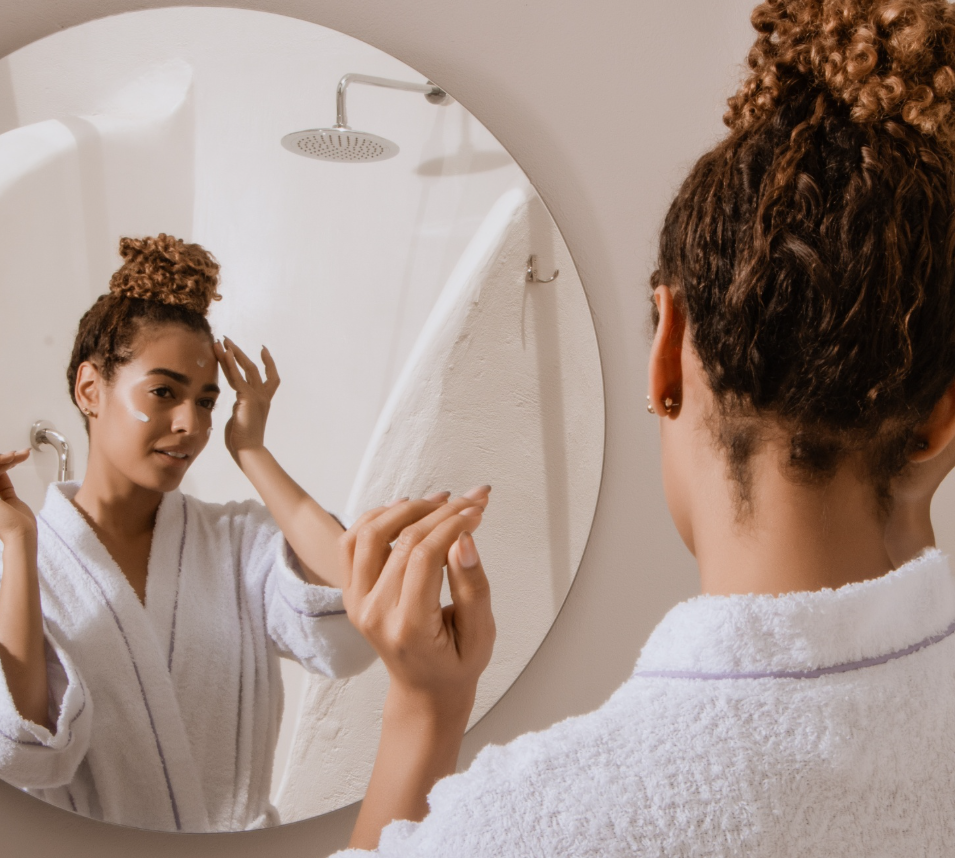
Long-term skin care is usually built around simple habits such as cleansing, moisturizing, and protecting the face from the sun. However, the appearance of the skin can still change because of aging, acne, environmental exposure, and other factors. When certain concerns become more noticeable, professional aesthetic procedures may offer another option. Facial laser resurfacing is a technology-based treatment that can target selected areas of the skin and support a smoother, more even-looking complexion. Coolaser Clinic provides professional aesthetic services for people exploring personalized approaches to skin rejuvenation.
How the Skin Changes With Time
Facial skin does not remain the same throughout life. Natural aging can affect elasticity and texture, while repeated sun exposure may contribute to uneven pigmentation and other visible changes. Previous acne can also leave scars or irregular areas on the surface.
Lifestyle can influence the appearance of the skin as well. Sleep, nutrition, stress, smoking, and environmental conditions can all play a role in overall skin quality.
Because these factors accumulate over time, maintaining a healthy complexion often requires a combination of daily care and, when appropriate, professional treatments.
Where Laser Resurfacing Fits Into Skin Care
Laser resurfacing is different from a conventional skincare product because it uses controlled energy to affect selected areas of the skin.
Depending on the technology, the procedure can remove portions of the outer skin or deliver energy into deeper tissue. Some treatments focus on surface renewal, while others are designed to create controlled thermal effects that encourage changes within the skin.
This makes laser procedures particularly relevant for people who want to address specific cosmetic concerns rather than simply maintain basic skin hydration.
Common Reasons to Explore the Procedure
There are several reasons why someone may consider facial laser resurfacing. The treatment can be used for different concerns depending on the technology and the patient’s individual skin.
Potential areas of focus include:
- Uneven skin texture
- Fine lines
- Certain pigmentation concerns
- Sun-related changes
- Acne scars
- Rough surface areas
- Dull-looking complexion
Not every laser procedure is appropriate for every concern. A professional assessment can help determine whether resurfacing is a suitable option.
Understanding Different Laser Technologies
The phrase “laser resurfacing” describes a category of procedures rather than one specific treatment.
Ablative lasers can remove the outer layer of the skin and may produce a more intensive resurfacing effect. Nonablative lasers generally work beneath the surface without removing as much tissue.
Fractional technologies use a different strategy by creating microscopic treatment zones while leaving surrounding areas intact. This can affect both treatment intensity and recovery.
Understanding these differences is important when discussing options with an aesthetic professional.
Why a Personalized Plan Matters
The condition of facial skin varies greatly between individuals. Skin tone, sensitivity, previous treatments, current skincare products, and exposure to the sun can all influence treatment planning.
Before facial laser resurfacing, a professional can evaluate the skin and discuss the patient’s primary concerns. This assessment can help determine the appropriate technology, treatment intensity, and expected recovery period.
A personalized plan also makes it easier to establish realistic expectations. Instead of promising the same outcome for everyone, the treatment can be adapted to the individual’s circumstances.
Preparing Your Skin Before Treatment
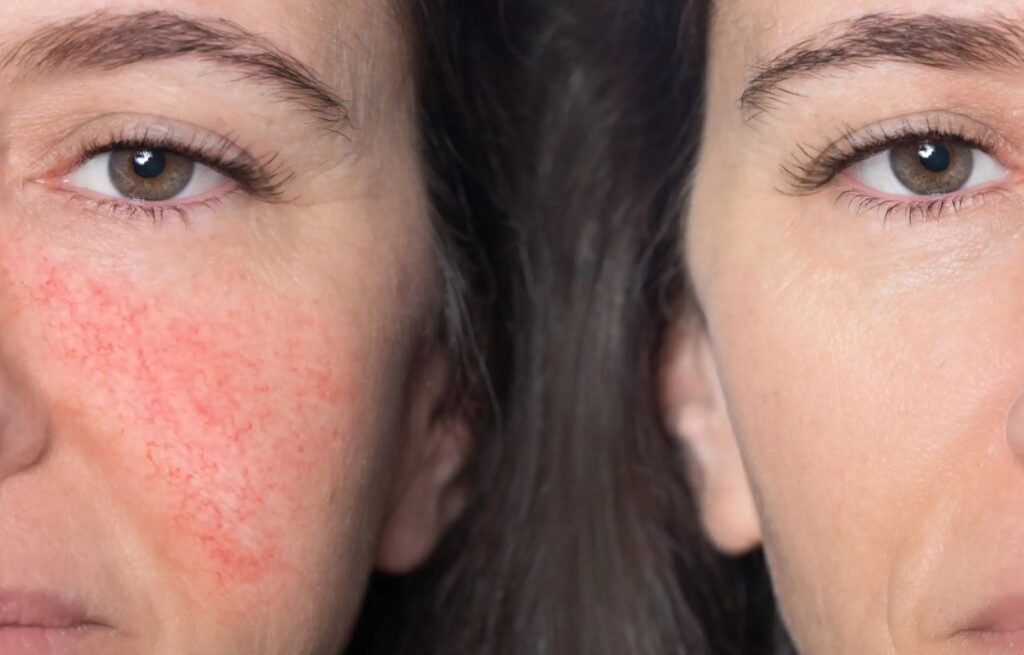
Preparation may begin several days or weeks before the procedure, depending on the selected technology. Patients may receive instructions about skincare products, sun exposure, and other factors that could affect the skin.
It is important to tell the provider about recent cosmetic procedures and any products or medications being used.
Sun protection can be particularly important during the preparation period. Excessive exposure may affect the condition of the skin and influence whether treatment should proceed.
Following the provider’s specific recommendations is more appropriate than relying on generic preparation advice.
What Happens During a Treatment Session?
The procedure begins with preparation of the treatment area. Depending on the technology and intensity, a topical numbing product or another comfort measure may be used.
During the session, the laser delivers controlled energy to the selected areas of the face. Patients may experience warmth, tingling, or short periods of discomfort.
The length of treatment varies depending on the size of the area and the type of laser. The provider should explain the expected sensations and procedure steps before treatment begins.
Recovery Is an Important Part of the Process
Recovery depends largely on the intensity and type of procedure. Less aggressive treatments may produce temporary redness or sensitivity, while more intensive resurfacing can cause peeling, swelling, and noticeable redness.
Patients should plan accordingly and allow enough time for their skin to recover.
During this period, following aftercare instructions is important. The treated area may require gentle cleansing, moisturization, and additional protection.
Protecting the Skin After Resurfacing
Sun protection remains essential after treatment. Recently treated skin may be more sensitive to ultraviolet exposure, so patients should take precautions to limit unnecessary sun exposure.
Daily sunscreen, protective clothing, shade, and avoiding prolonged direct sunlight can all contribute to better sun-care habits.
These practices are useful beyond the recovery period as well. Long-term protection can help reduce continued UV-related changes to the appearance of the skin.
Building a Routine After Treatment
Once the skin has recovered, patients can return to an appropriate daily skincare routine. The exact products and ingredients should depend on individual skin needs and professional recommendations.
A basic routine may include:
- Gentle cleansing
- Hydration
- Daily sunscreen
- Suitable active ingredients
- Periodic professional assessments
The goal is not to use as many products as possible. A simple, consistent routine is often easier to maintain and can provide reliable everyday support for the skin.
When More Than One Treatment May Be Considered
Some cosmetic concerns may require multiple sessions, particularly when the chosen procedure is relatively gentle. Other patients may be satisfied with the changes achieved after one treatment.
The recommended number of sessions depends on the technology, treatment goals, skin condition, and individual response.
Patients should therefore discuss the expected treatment schedule with their provider rather than assuming that one standard number applies to everyone.
Maintaining Realistic Expectations
Professional laser treatment can improve the appearance of selected skin concerns, but it cannot stop the natural aging process.
Results also vary according to individual factors. Some people may notice changes relatively quickly, while others may see gradual improvements as the skin continues to recover and renew.
Understanding the limitations of the procedure is just as important as understanding its potential benefits.
Final Thoughts
Facial laser resurfacing can be incorporated into a broader approach to professional skincare for people who want to address selected concerns involving texture, fine lines, pigmentation, acne scars, or sun-related changes.
The procedure is not one-size-fits-all. Different laser technologies have different effects, treatment intensities, and recovery requirements. A professional consultation can help determine which approach may be appropriate for an individual’s skin and goals.
When combined with suitable aftercare, daily sun protection, and a consistent skincare routine, professional resurfacing can form part of a long-term strategy for maintaining a smoother and refreshed-looking complexion.