
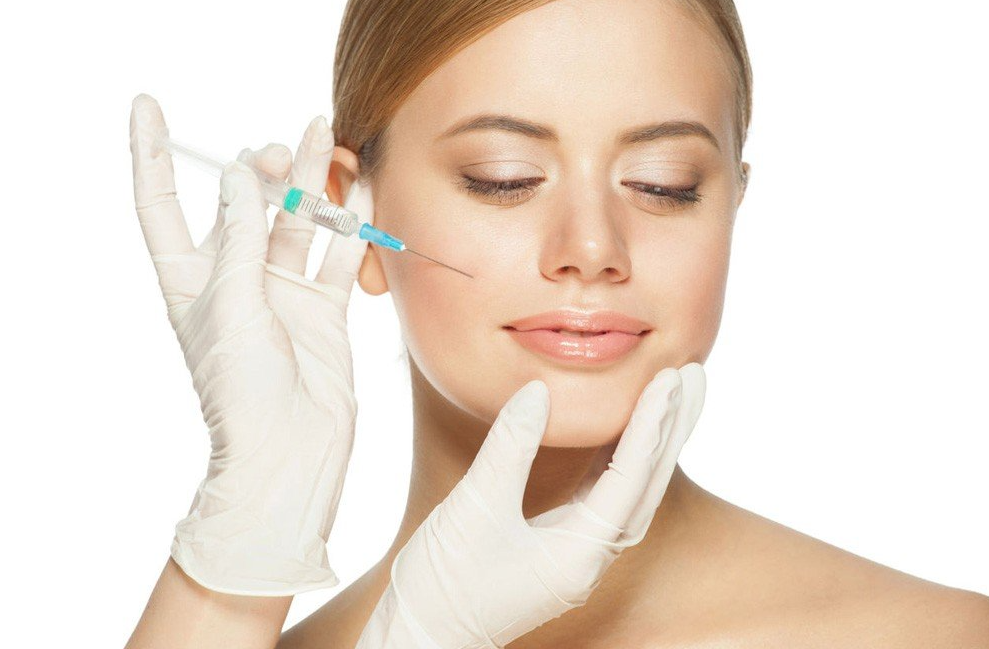
Looking after facial skin often becomes more complicated as personal needs change over time. A routine that once worked well may no longer address concerns such as fine lines, uneven texture, or reduced firmness. This has encouraged interest in professional treatments that take a more individualized approach to skin care. Facial PRP Therapy is one option gaining attention in aesthetic medicine because it uses platelet-rich plasma prepared from the patient’s own blood. People exploring this procedure can find additional information through Coolaser Clinic.
When Everyday Skincare Needs Additional Support
A consistent skincare routine can help maintain a healthy-looking complexion, but topical products have limitations. Cleansers remove impurities, moisturizers support hydration, and sunscreen helps protect against ultraviolet exposure. These steps remain important throughout life.
However, some visible changes may encourage people to explore professional options. Natural aging, environmental exposure, and individual skin characteristics can influence texture, elasticity, and the appearance of fine lines.
The decision to consider an aesthetic procedure should begin with identifying the actual concern. A person interested in improving skin texture may need a different approach from someone primarily concerned about facial volume or deeper wrinkles.
Why PRP Has Attracted Scientific Interest
Platelet-rich plasma, commonly called PRP, is prepared using a sample of the patient’s own blood. A healthcare professional processes the sample in a centrifuge to separate its components and obtain plasma with a higher concentration of platelets.
Platelets play an important role in normal blood clotting. They also release growth factors and signaling proteins involved in the body’s response to tissue injury.
These biological properties have encouraged researchers to investigate possible applications in dermatology and aesthetic medicine. Facial PRP Therapy uses the prepared plasma as part of a treatment intended to support certain aspects of skin rejuvenation.
Although this approach is interesting, it is important to distinguish scientific potential from proven cosmetic outcomes. Research findings remain variable, and results depend on several factors, including preparation methods and treatment protocols.
The Connection Between Skin Condition and Lifestyle
Skin appearance is influenced by more than age alone. Everyday habits can affect how the complexion looks and how it responds to environmental stress.
Several factors deserve attention:
- Sun exposure can contribute to premature skin aging.
- Smoking may negatively affect skin health.
- Poor sleep can influence the appearance of tired skin.
- Dehydration may make dryness more noticeable.
- Inconsistent skincare can leave certain concerns insufficiently addressed.
- Environmental pollution can contribute to oxidative stress.
These factors do not determine whether someone is suitable for PRP. However, discussing lifestyle habits during a consultation can help a practitioner understand the patient’s overall skin concerns and expectations.
What Happens During a Facial PRP Procedure?
The process generally begins with a consultation. A qualified practitioner evaluates the skin, reviews medical history, and discusses whether PRP is appropriate.
If the patient is considered suitable, a small blood sample is collected. The sample is processed using specialized equipment to prepare platelet-rich plasma.
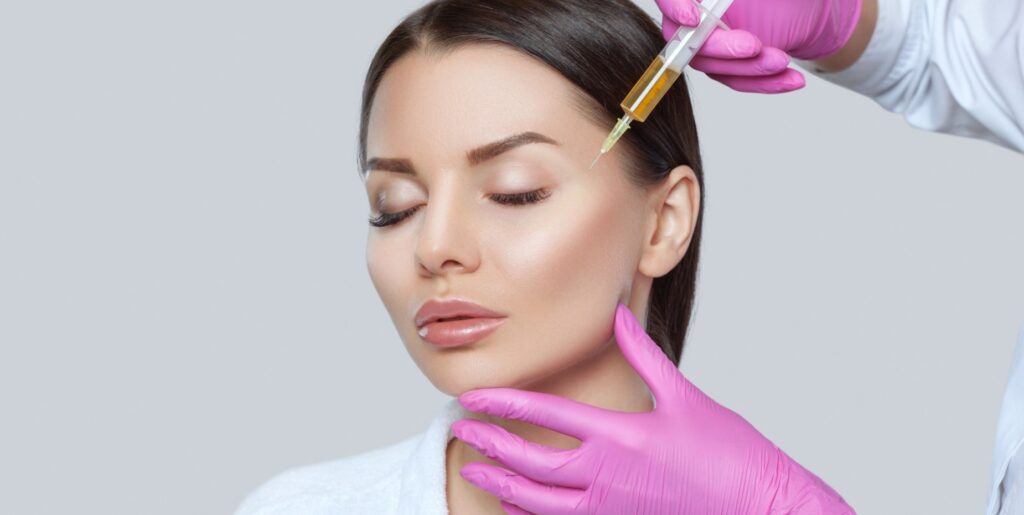
The practitioner then administers the prepared material using the technique selected for the treatment area. Depending on the clinical protocol, this may involve small injections into specific facial regions.
The details can vary between providers. Preparation systems, platelet concentrations, injection methods, and recommended treatment schedules are not necessarily identical. Patients should ask which approach will be used and why it is appropriate for their needs.
Understanding What the Treatment Can and Cannot Do
One important part of choosing an aesthetic procedure is understanding its intended purpose.
Facial PRP Therapy is generally discussed in connection with skin quality, including texture and visible signs of aging. It should not be confused with dermal fillers, which are designed to add volume or change facial contours.
Some clinical studies have reported improvements in aspects of skin appearance following PRP treatment. However, the evidence is still developing, and differences between studies make it difficult to predict individual outcomes.
Patients should be cautious about claims of guaranteed rejuvenation, permanent results, or dramatic changes after one session. A responsible practitioner should explain the limitations of available evidence and discuss alternative treatments when appropriate.
Recovery and the Importance of Aftercare
Recovery depends on the technique used and the individual’s response. Temporary redness, swelling, tenderness, and bruising may occur after treatment.
Patients should follow the instructions provided by their practitioner. These may include using gentle skincare products, avoiding unnecessary irritation, and limiting certain activities for a recommended period.
Sun protection is also an important part of general skin care. Patients should ask when they can safely return to their usual products and routines.
Although PRP uses material obtained from the patient’s own blood, the procedure is not completely risk-free. Infection, bleeding, and other complications are possible. Proper hygiene, suitable equipment, and professional administration remain essential.
Making an Informed Decision About Skin Rejuvenation
Before choosing treatment, patients should consider more than popularity or online reviews. A useful consultation should provide clear answers about suitability, preparation, potential side effects, and realistic expectations.
It is worth asking:
- What specific concern is PRP intended to address?
- How is the platelet-rich plasma prepared?
- Who will perform the procedure?
- How many sessions might be recommended?
- What results are realistic?
- Are there medical reasons to avoid treatment?
- What other options may be suitable?
These questions help patients compare information and avoid making decisions based on exaggerated promises.
Final Thoughts
A thoughtful approach to skin rejuvenation combines everyday care with a realistic understanding of professional treatments. Facial PRP Therapy offers an option that uses platelet-rich plasma obtained from the patient’s own blood and continues to attract attention in aesthetic research.
However, its suitability and potential results vary between individuals. Professional assessment, careful treatment planning, and appropriate aftercare are essential parts of the process. By understanding both the possibilities and limitations, patients can make more confident decisions about their skin care.