
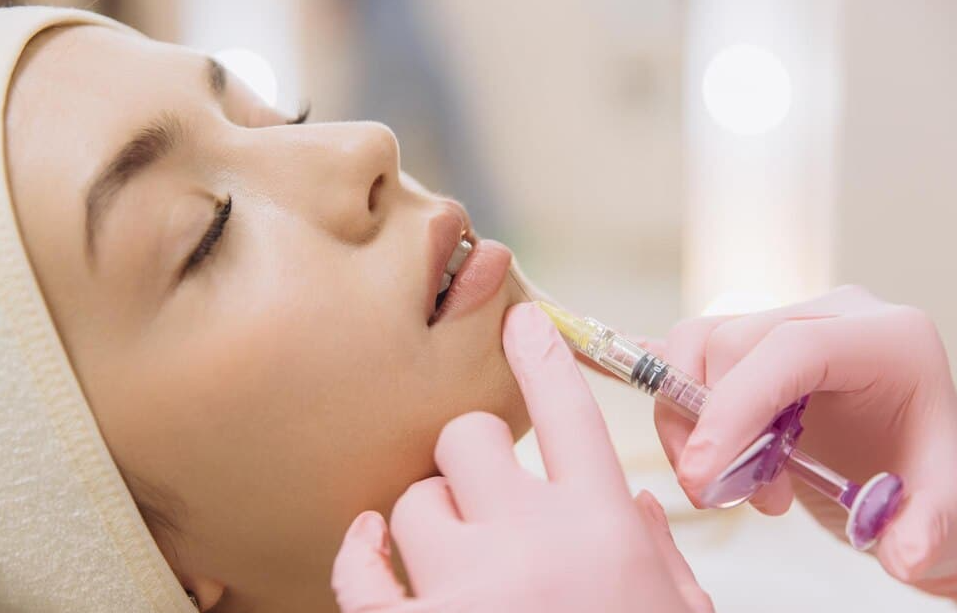
Beauty standards continue to evolve, but one preference remains consistent: many people want aesthetic improvements that preserve their individual appearance. Instead of dramatically changing facial features, they often look for ways to address specific concerns while maintaining familiar proportions. This has increased interest in procedures that focus on restoring volume rather than simply smoothing the skin. Coolaser Clinic offers information about facial fat grafting, an approach that uses a patient’s own fat to add fullness to selected facial areas. Like any cosmetic procedure, it requires careful consideration of personal goals, medical suitability, and possible limitations.
The Changing Meaning of Facial Rejuvenation
For many years, conversations about facial rejuvenation focused heavily on wrinkles and skin texture. Today, people increasingly recognize that facial appearance depends on several interconnected factors.
Volume, skin elasticity, facial structure, and natural proportions all contribute to the way someone looks. When the distribution of facial fat changes, certain areas may appear hollow or less defined. These changes can affect the overall balance of the face even when the skin itself remains relatively healthy.
This broader understanding has encouraged interest in treatments that address different aspects of facial aging. However, no single procedure can resolve every concern. Choosing an appropriate approach starts with identifying what has actually changed.
Why Some People Consider Their Own Fat for Facial Treatments
One feature that distinguishes facial fat grafting from many injectable treatments is the material used. The procedure involves collecting fat from a donor area, processing it, and transferring it to selected parts of the face.
Depending on the patient’s anatomy and treatment goals, a practitioner may consider areas such as the cheeks or temples. The intention is to restore volume where it has diminished and create a more balanced contour.
Using the patient’s own tissue is an important characteristic of the procedure, but it should not be confused with a guarantee of safety or predictable results. Fat transfer involves surgery, and the transferred tissue does not always survive completely in its new location.
Patients should understand these differences before comparing fat grafting with fillers or other cosmetic options.
Natural-Looking Results Begin With Individual Proportions
Aesthetic procedures are often discussed in terms of dramatic transformations. Yet many people prefer subtle changes that do not make their appearance look noticeably different.
Facial proportions play an important role in achieving this goal. Adding volume to one area can influence how neighboring features appear. For example, changes in cheek fullness may affect the visual transition between the middle and lower parts of the face.
A thoughtful treatment plan considers the entire facial structure rather than focusing on one isolated feature. The practitioner must evaluate how much volume may be appropriate and whether the proposed change fits the patient’s anatomy.
This is also why copying another person’s results is rarely a useful way to establish expectations. Different facial structures require different approaches.
What Happens During the Treatment Process?
The procedure generally includes three main stages. First, the practitioner collects fat from a suitable donor area, which may include the abdomen or thighs. Next, the collected tissue is processed to prepare it for transfer. Finally, the practitioner places the prepared fat into selected facial areas.
The specific technique, anesthesia, and treatment plan depend on the individual case and the medical professional’s approach.
Before proceeding, patients should receive a clear explanation of the planned procedure. They should understand which areas will be treated, where the donor fat will come from, and what type of recovery to expect.
A consultation should also include a review of medical history, medications, previous procedures, and any factors that could influence healing.

The Importance of Understanding Recovery
Recovery is an essential part of the experience, not an afterthought. Swelling, bruising, tenderness, and temporary unevenness can occur after facial fat grafting. The donor area may also require time to heal.
The initial appearance can be misleading because swelling may make treated areas look fuller than they will later. Some transferred fat is naturally reabsorbed by the body, so the visible result changes as healing progresses.
Patients should follow their surgeon’s instructions regarding activity, wound care, and follow-up appointments. They should also avoid evaluating the final outcome too early.
Unexpected or severe symptoms require medical attention. In particular, significant pain, unusual skin discoloration, vision changes, or rapidly increasing swelling should be assessed urgently.
Benefits, Risks, and Realistic Expectations
Facial fat grafting may provide volume restoration in selected areas, but individual outcomes vary. The amount of fat that remains after healing cannot be predicted with complete certainty.
Potential complications include infection, bleeding, asymmetry, irregular contours, fat necrosis, and changes in sensation. Rare but serious vascular complications can also occur. These risks should be discussed with a qualified practitioner before treatment.
Another important consideration is whether fat transfer addresses the actual concern. People experiencing loose skin, deep wrinkles, or uneven pigmentation may need different treatments. A procedure designed to restore volume cannot be expected to correct every visible sign of aging.
An honest discussion about limitations is just as important as understanding potential benefits.
Questions Worth Asking Before Making a Decision
Research can help patients prepare, but it cannot replace a professional assessment. Before choosing a procedure, individuals should verify the practitioner’s qualifications and experience with facial fat transfer.
They should also ask about the surgical setting, anesthesia, recovery expectations, follow-up care, and the possibility of additional treatment. Understanding the total cost and what it includes can prevent confusion later.
Most importantly, patients should feel comfortable discussing their expectations. A responsible medical professional should explain what is achievable, identify potential concerns, and present alternatives when appropriate.
Final Thoughts
Facial fat grafting has become one of the options people explore when considering changes in facial volume and contour. Its use of a patient’s own tissue makes it different from many other aesthetic treatments, but it still requires careful planning and medical expertise.
The most valuable first step is understanding personal needs rather than following a beauty trend. With a thorough consultation, realistic expectations, and a clear understanding of potential risks, individuals can make more informed decisions about facial rejuvenation.